
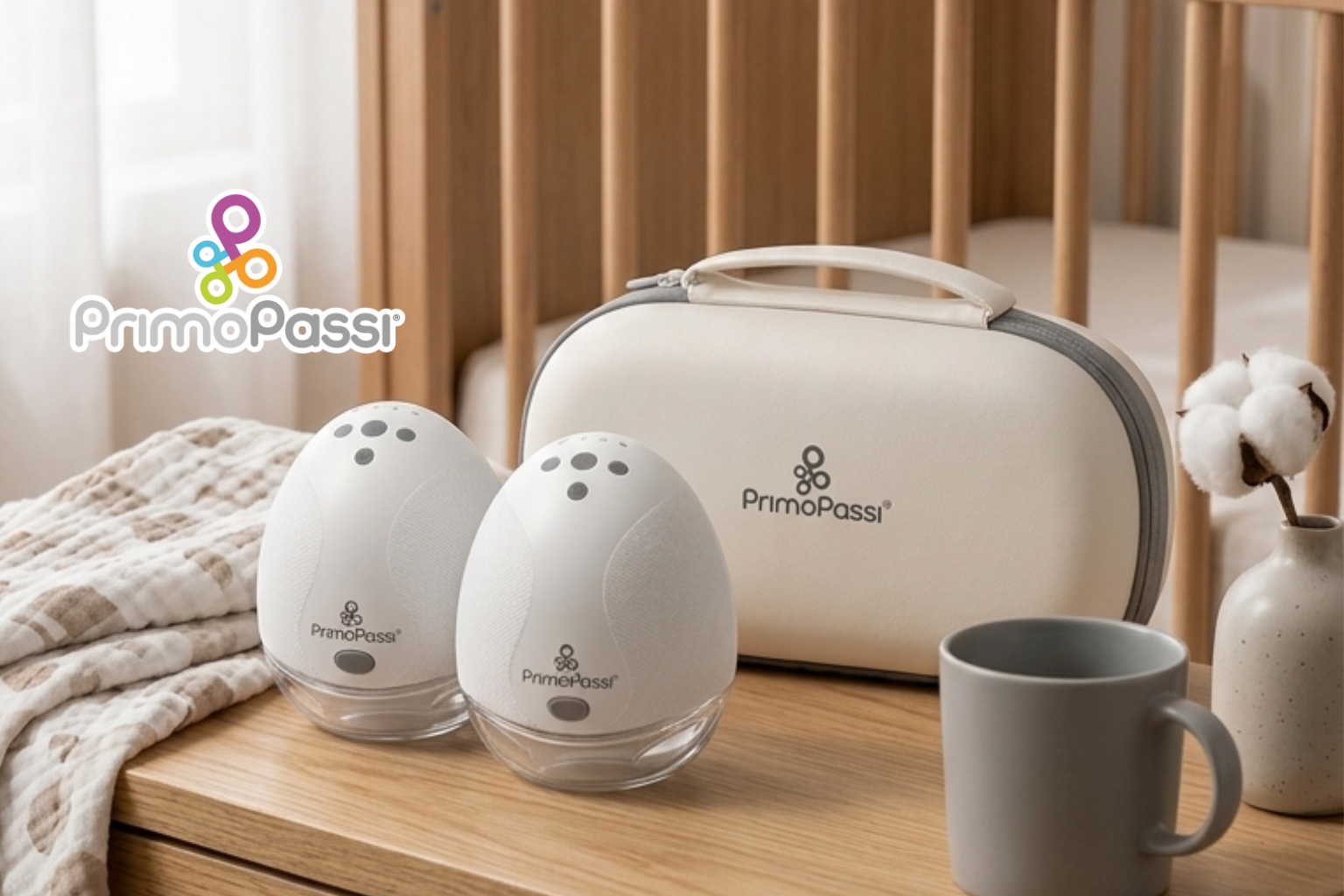
If you have ever watched a breast pump in action and wondered how does a breast pump work to actually get milk out, the short answer is physics, hormones, and some clever engineering working together. Understanding the mechanics behind pumping does more than satisfy curiosity. It helps explain why certain settings feel more comfortable, why letdown takes a minute or two, and why the fit of your flange matters as much as the pump itself.
This guide breaks down exactly what happens inside a breast pump, from the vacuum that pulls milk out to the hormones your body releases in response.
The Basic Science of How a Breast Pump Works
Every breast pump, whether electric, manual, or wearable, relies on the same core principle: creating negative pressure, or vacuum, inside a sealed space around the nipple. The flange, also called the breast shield, forms an airtight seal against the skin. When the pump activates, it removes air from that sealed space, and the resulting vacuum pulls the nipple gently into the flange tunnel.
This process mirrors what happens naturally when a baby latches and sucks. The rhythmic pulling and releasing of pressure inside the flange stimulates the same nerve endings a baby's suckling would, which sends a signal to the brain to begin releasing milk.
Why Pumps Use Two Phases: Stimulation and Expression
Most modern electric pumps, including the Primo Passi Portable Dual Electric Breast Pump, are designed around a two-phase cycle that closely follows how a baby actually feeds.
Phase 1: Stimulation Mode
At the start of a feed, babies suck quickly and lightly, often 50 to 90 times per minute, to trigger milk release rather than to draw out large amounts of milk right away. Pumps recreate this with a fast, gentle cycle designed purely to stimulate letdown.
Phase 2: Expression Mode
Once letdown occurs, babies naturally slow down and suck with deeper, stronger pulls to draw milk efficiently. Pumps mirror this by switching to a slower cycle with stronger suction, typically in the range most electric pumps use for effective milk removal. The Primo Passi double electric pump automates this transition, gradually increasing suction level by level before shifting into expression mode on its own, while still allowing manual adjustment at any point.

The Hormones Behind Letdown
The mechanical suction is only half the story. Pumping, like nursing, triggers a hormonal response inside the body. Nerve signals from the nipple travel to the brain, prompting the release of oxytocin, the hormone responsible for the milk ejection reflex, and prolactin, which signals the body to continue producing milk. This is why relaxation, skin-to-skin contact, or even looking at a photo of your baby can genuinely help milk flow. The hormonal side of pumping responds to more than just mechanical suction.
What Each Part of a Breast Pump Actually Does
Understanding the individual components makes it easier to troubleshoot a pump that feels less effective than usual.
- Flange (breast shield): The funnel-shaped piece that creates the seal around the nipple and areola. Correct sizing directly affects both comfort and suction efficiency.
- Valve and membrane: Small parts that control the direction of airflow, keeping suction consistent and preventing milk from flowing backward into the tubing.
- Tubing: Carries air between the motor and the flange to create the vacuum. Moisture or cracks in the tubing reduce suction strength.
- Motor: The engine of the pump, controlling both cycle speed and suction strength. This is what allows a pump to switch between stimulation and expression modes.
- Collection bottle: Where expressed milk gathers, connected directly beneath the flange.
A worn valve, cracked membrane, or damp tube can quietly reduce a pump's performance long before it becomes obvious. Keeping a spare set of replacement valves and membranes and a replacement tubing system on hand means a small worn part never derails a pumping session.

How Electric, Manual, and Wearable Pumps Create Suction Differently
Electric Pumps
A motor automates the vacuum cycle, allowing consistent, hands-adjustable suction without any physical effort. This is why most moms who pump regularly, especially double pumping both breasts at once, prefer an electric model.
Manual Pumps
The mother creates suction herself by squeezing a handle or lever, which manually opens and closes the vacuum seal. This gives full control over rhythm and strength, but it also means the arm doing the pumping is doing all the work.
Wearable, Hands-Free Pumps
Wearable pumps use the exact same vacuum and hormone principles, but the entire motor, flange, and collection system sit inside a compact unit worn in the bra. The Primo Passi Double Electric Hands-Free Breast Pump uses the same two-phase cycle as a traditional electric pump, just miniaturized into a closed system that fits discreetly under clothing.

Why Suction Strength Alone Does Not Equal More Milk
It is a common assumption that higher suction pulls out more milk faster, but the body does not work that way. Milk flow depends far more on a properly triggered letdown reflex than on raw suction power. Pumping on too high a setting too soon often causes discomfort without any real gain in output, and can even inhibit letdown by causing the body to tense up. This is why nearly every modern pump, including Primo Passi models, starts in a gentler stimulation phase rather than jumping straight into strong suction.
How to Support Your Body's Natural Response While Pumping
Since hormones play such a large role in how well a pump works, a few habits can make a noticeable difference in output and comfort.
- Relax in a quiet, private space whenever possible
- Look at a photo or video of your baby, or think about them, to help trigger oxytocin release
- Apply gentle warmth or massage before pumping to help milk begin moving through the ducts
- Stay consistent with timing so your body anticipates each session
A lactation massager with heat can also help loosen milk ducts before or during a session, working alongside the pump's own mechanics rather than replacing them.

Closed System vs Open System Pumps: Why It Matters
Beyond suction mechanics, how a breast pump is engineered internally affects hygiene and safety. In an open system pump, there is no physical barrier between the tubing and the milk collection area, which means moisture and occasionally milk particles can travel back into the tubing and motor over time. A closed system pump uses a barrier, usually a diaphragm or membrane, that separates the milk pathway from the air pathway entirely. This prevents backflow and keeps milk from ever reaching the tubing or motor.
The Primo Passi Double Electric Hands-Free Breast Pump uses a closed system design with anti-backflow protection, which matters most for wearable pumps since the entire unit sits close to the body for extended periods throughout the day.
Hospital-Grade vs Personal-Use Pumps
Hospital-grade pumps are built for multiple users and are typically available through rental programs, with each user attaching their own personal accessory kit. They generally offer stronger motors capable of sustaining higher suction over long-term, multiple-times-daily use, which is why they are often recommended for mothers with low milk supply or babies in the NICU. Personal-use pumps, like most electric and wearable models sold for individual use, are designed and tested for a single user over the pump's lifespan. They are not intended to be shared between users, even with new accessories, since the internal motor and diaphragm are not built for multi-user sanitation standards.
What Affects How Well a Pump Works for Your Body
Two people using the exact same pump can have very different experiences, and that is normal. A few personal factors influence how effectively any pump works:
- Flange size: The single biggest factor in comfort and output. A poor fit reduces efficiency no matter how strong the motor is.
- Time since your last feed or pump: Fuller breasts often let down faster than breasts pumped recently.
- Stress and environment: Since oxytocin release is sensitive to stress, a rushed or uncomfortable setting can genuinely slow letdown.
- Overall hydration and rest: Both play a supporting role in how easily your body responds to stimulation.
Understanding that pump performance is not just about the device itself, but about how your body responds to it, can take a lot of pressure off sessions that feel slower than expected.
Signs Your Breast Pump Is Working the Way It Should
A well-functioning pump should feel like a firm, rhythmic pull rather than a sharp or painful pinch. You should see a visible seal forming around the areola without excessive tissue being drawn into the tunnel. Milk flow typically begins within one to three minutes of steady stimulation mode. If suction feels weak, uneven, or if a session that used to take fifteen minutes now consistently takes much longer, it is worth checking the flange fit first, followed by the valves, membranes, and tubing for wear.
What Happens Between Sessions
Understanding the mechanics of a pump also explains a couple of things that happen once the pump is off. Leaking between sessions is common and is simply a byproduct of the same milk ejection reflex the pump relies on, sometimes triggered by a baby's cry, a warm shower, or even just a full letdown that continues briefly after pumping ends. Disposable nursing pads handle this without adding any extra thought to your routine.

Once milk is expressed, getting it into proper storage quickly matters just as much as the mechanics of getting it out. Pre-sterilized storage bags remove one extra step from that process, since milk can go straight from the collection bottle into a ready-to-seal bag without any additional washing beforehand.

Frequently Asked Questions
How does a breast pump trigger milk letdown?
It uses a fast, gentle suction cycle that mimics a baby's initial sucking pattern, which stimulates nerve endings in the nipple and signals the brain to release oxytocin, the hormone responsible for the milk ejection reflex.
Why does my breast pump start slow and then get stronger?
This reflects the two-phase design most electric pumps use. Stimulation mode starts fast and light to trigger letdown, then the pump shifts into a slower, stronger expression mode once milk begins flowing.
Does higher suction mean more milk?
No. Milk output depends mainly on a properly triggered letdown reflex, not on maximum suction strength. Pumping on a setting that feels uncomfortable often reduces output rather than increasing it.
Why does it take a few minutes before milk starts flowing?
The body needs a short window, usually one to three minutes, to release the hormones responsible for letdown. This delay is normal and happens with nursing as well as pumping.
Can a breast pump work without electricity?
Yes. Manual pumps create the same type of vacuum using a hand-operated lever or handle instead of a motor, though they require physical effort from the user throughout the session.
Why does my pump feel weaker than when I first got it?
Worn valves, membranes, or tubing are the most common cause of reduced suction over time. These parts naturally degrade with regular use and are usually simple to replace.