
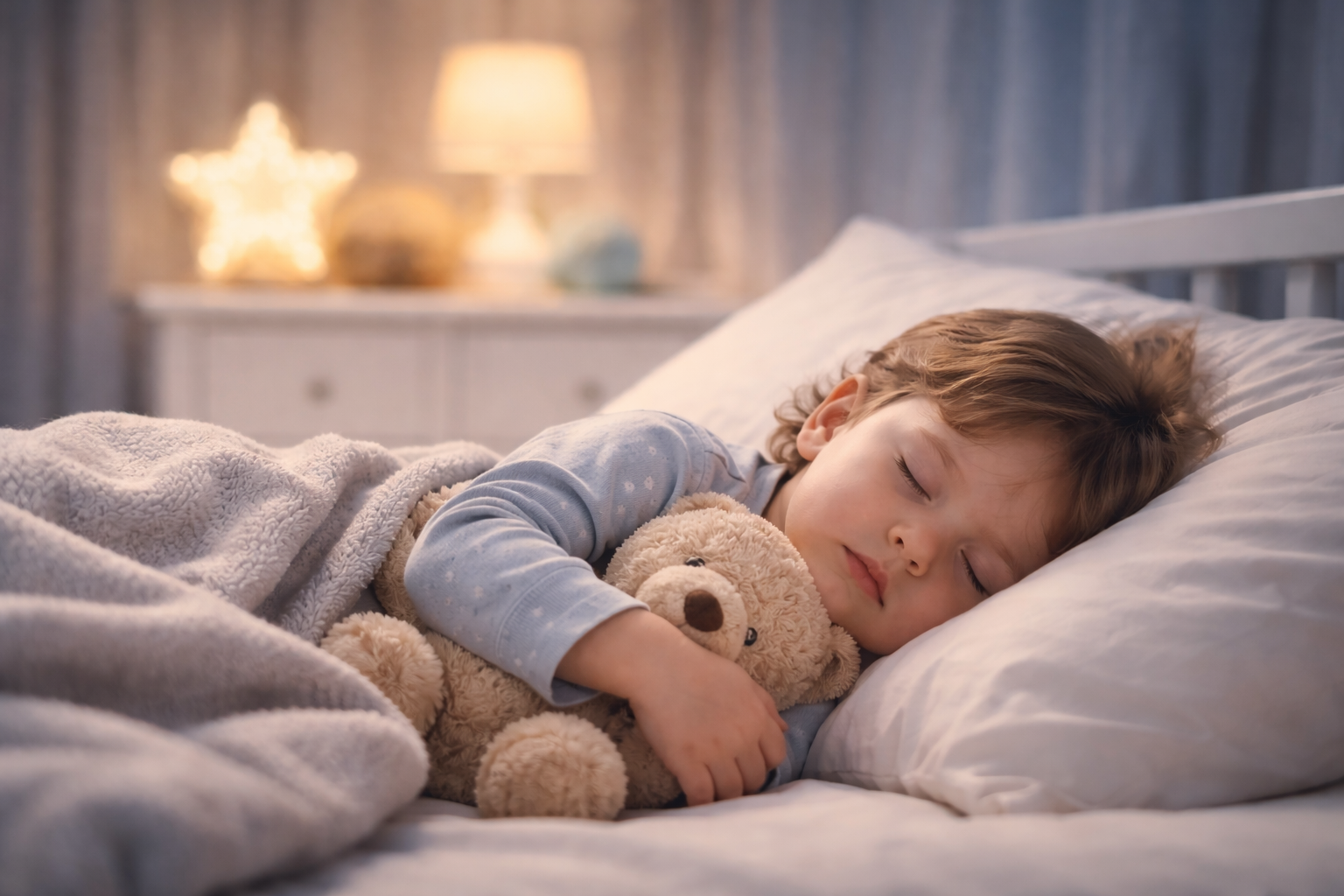
For many parents, a baby monitor becomes part of everyday life almost instantly. From the first nights at home to early naps and bedtime routines, it offers reassurance, connection, and peace of mind.
As children grow, however, parents often begin asking a very natural question: when should I stop using a baby monitor?
Not because the monitor has stopped being useful, but because family routines, sleep patterns, and independence begin to change.
The truth is, this question isn’t really about stopping. It’s about how monitoring changes over time.
Why Baby Monitors Remain Helpful Beyond the Baby Stage
Baby monitors are often associated with newborns, but their value doesn’t suddenly disappear as children grow.
At every stage, they help parents:
-
Stay aware without hovering
-
Support safe sleep habits
-
Respond calmly instead of reactively
-
Feel confident while giving children space
Rather than being a short-term tool, a baby monitor often becomes something parents adjust and repurpose as their child develops.
There Is No Fixed Age to Stop Using a Baby Monitor
One of the biggest misconceptions is that there is a specific age when a baby monitor should no longer be used.
In reality, there is no universal cutoff.
Some families reduce monitoring earlier. Others continue using it well into the toddler years. Home size, sleep habits, and parental comfort all play a role.
What matters most is not age, but how the monitor supports your family’s current needs.
How Baby Monitor Use Naturally Changes Over Time
Instead of focusing on when to stop, it’s more helpful to understand how usage typically evolves.
From Constant Monitoring to Occasional Check-Ins
In the early months, parents rely heavily on both audio and video. Over time, as sleep becomes more predictable, many parents find themselves checking less frequently.
The monitor shifts from constant supervision to a simple way to confirm that everything is okay.
From Video to Sound-Based Alerts
As children grow and sleep more independently, many parents transition to sound alerts or motion notifications rather than continuous video viewing.
This allows parents to stay informed while giving themselves and their child, more breathing room.
From Everyday Use to Situational Support
For many families, baby monitors remain useful in specific situations, such as:
-
Nighttime sleep
-
Illness or disrupted routines
-
New sleep environments
-
Large or multi-level homes
Even when used less often, the monitor continues to serve a purpose.
Signs Your Family May Be Ready to Reduce Monitor Use
Reducing monitor use doesn’t mean giving it up entirely. It simply means adjusting.
You may notice this shift when:
-
Your child sleeps through the night consistently
-
Bedtime routines feel predictable
-
Your child can communicate needs clearly
-
You feel comfortable checking less frequently
These moments signal growing independence, not the end of monitoring.
Why Many Parents Continue Using a Baby Monitor Longer
Continuing to use a baby monitor is not a sign of overprotection. For many families, it’s a practical and thoughtful choice.
Peace of Mind Is Still Valuable
Even when children are older, parents appreciate being able to:
-
Check in without entering the room
-
Confirm a child is sleeping safely
-
Avoid unnecessary disruptions
Peace of mind doesn’t have an expiration date.
Home Layout and Lifestyle Matter
In larger homes or homes with multiple floors, a baby monitor remains helpful long after infancy.
Outdoor spaces, home offices, and busy evenings often make monitoring a simple and reliable solution.
Supporting Nighttime Transitions
Toddlers may experience occasional night wakings, bad dreams, or transitions to a new bed.
A baby monitor allows parents to respond appropriately without hovering or guessing.
Technology That Adapts With Your Family
Modern baby monitors are designed to adapt, not to force one way of parenting.
Features like sound-activated alerts, temperature monitoring, long-range parent units, and secure local connections allow parents to choose how involved they want monitoring to be.
This flexibility is what makes baby monitors relevant far beyond the newborn phase.
A Flexible Approach: The Primo Passi Smart Wi-Fi Baby Monitor
The Primo Passi Smart Wi-Fi Baby Monitor is designed to support families at every stage, not just the beginning.
Parents can monitor with or without Wi-Fi, use a dedicated parent display at home, or check remotely when needed. As children grow, the monitor naturally shifts from constant viewing to background support.
Rather than feeling like something you “outgrow,” it becomes a tool you simply use differently over time.
It’s Okay to Keep Using What Works
There is no pressure to stop using a baby monitor by a certain age.
If it continues to help your family feel calm, connected, and confident, it’s doing exactly what it was designed to do.
The goal is not to remove support, but to allow independence to grow naturally.
So, When Do Parents Usually Stop Using a Baby Monitor?
Most parents gradually reduce use when:
-
Sleep becomes consistent
-
Communication improves
-
Monitoring feels less necessary
For some families, this happens around age two. For others, it happens later. Many continue using monitors occasionally well beyond that.
All of these choices are valid.
Final Thoughts
Baby monitors are not meant to create dependence, they are meant to support confidence.
As your child grows, the role of the monitor changes, just like everything else in parenting. Knowing when to check less often is simply part of that evolution.
The best approach is the one that feels right for your family, your home, and your peace of mind.
And that’s exactly how it should be.
________________________________________________________________________________________________
Frequently Asked Questions About When to Stop Using a Baby Monitor
At what age do most parents stop using a baby monitor?
There is no exact age when parents stop using a baby monitor. Many families begin reducing use between ages two and four, but the decision depends more on a child’s sleep habits, communication skills, and the home environment than on age alone.
Is it bad to keep using a baby monitor for too long?
No, continuing to use a baby monitor is not harmful as long as it supports safety and peace of mind. Many parents keep monitors on during certain situations, such as nighttime sleep or illness, even after their child is no longer a baby.
Should I stop using a baby monitor once my child sleeps through the night?
Sleeping through the night is one sign that parents may feel comfortable checking less often, but it does not mean monitoring must stop completely. Many families continue using a monitor occasionally for reassurance or convenience.
Do toddlers still need baby monitors?
Toddlers may not need constant monitoring, but baby monitors can still be helpful during bedtime, naps, or transitions to a new bed. Monitors often remain useful as background support rather than continuous supervision.
Can using a baby monitor make a child too dependent?
Using a baby monitor does not make a child dependent. Monitors are tools for parents, not children, and they do not affect a child’s ability to develop independence when used appropriately.
Is it okay to use a baby monitor in a large or multi-level home?
Yes, in larger homes or homes with multiple floors, baby monitors often remain useful longer because parents may not be able to hear their child naturally from another room.
How can I transition away from using a baby monitor?
Many parents transition gradually by checking less frequently, switching to sound alerts instead of video, or using the monitor only at night. A gradual approach helps both parents and children adjust comfortably.
Should I keep a baby monitor for emergencies only?
Some parents choose to keep a baby monitor available for occasional situations, such as illness, disrupted sleep routines, or travel. Using a monitor only when needed is a common and practical approach.