
Breast engorgement is one of the most common and most uncomfortable parts of early breastfeeding. It can catch new mothers off guard around day three or four postpartum, when milk volume increases sharply, and it can also show up later if a baby suddenly sleeps longer, starts daycare, or begins eating more solid foods. Understanding why engorgement happens and how to manage it can make the difference between a rough couple of days and a much longer struggle with pain, clogged ducts, or reduced milk supply.
What Is Breast Engorgement?
Breast engorgement is the swelling and firmness that occurs when breast tissue fills with milk faster than it is removed. It is not only milk that causes the fullness. Increased blood flow and lymphatic fluid also build up in the breast tissue during the early days of milk production, which is why engorged breasts can feel tight, heavy, and warm to the touch, not just full.
Mild fullness is a normal and expected part of your milk "coming in," typically between 2 and 5 days after delivery according to the American Academy of Pediatrics (AAP). Engorgement becomes uncomfortable when that fullness is not relieved regularly, causing the tissue to become hard, painful, and sometimes so tight that the nipple flattens, making it harder for a baby to latch.
What Causes Breast Engorgement?
Engorgement can happen at almost any stage of breastfeeding, not only in the first week. The most common triggers include:
- Delayed or infrequent feeding. Long stretches between feeds, especially in the early days, allow milk to accumulate faster than it can be removed.
- A strong let-down or oversupply. Some mothers naturally produce more milk than their baby needs in a single sitting, which increases the risk of fullness.
- Skipped pumping sessions. Mothers who pump at work or during travel can become engorged if a session is missed or shortened.
- Weaning too quickly. Dropping feeds suddenly, rather than gradually, does not give the body time to adjust milk production downward.
- A baby who is sleeping longer stretches. Sleep regressions in reverse (when a baby suddenly sleeps well) can leave a mother's supply out of sync for a few days.
- Poor latch or ineffective milk removal. If a baby is not transferring milk efficiently, the breast may not empty fully at each feed, even if the baby is nursing often.
What Are the Symptoms of Breast Engorgement?
Engorgement symptoms usually affect both breasts, though one side can be more severe than the other. Common signs include:
- Breasts that feel hard, tight, or swollen
- Warmth or a low-grade sense of heat in the breast tissue
- Tenderness or throbbing pain
- Shiny, stretched-looking skin
- Flattened nipples that make latching difficult
- Mild swelling that can extend into the armpit area
These symptoms are different from the signs of a plugged duct or mastitis, which tend to be localized to one specific area or lump rather than affecting the whole breast evenly.
How Long Does Breast Engorgement Last?
For most mothers, engorgement in the early postpartum period peaks around day 3 to 5 and starts to ease within 24 to 48 hours once regular feeding or pumping is established, according to guidance from HealthyChildren.org. Engorgement that happens later in breastfeeding, such as after a missed pumping session, usually resolves faster, often within a few hours to a day, once milk is removed and a routine resumes.
If swelling, pain, or firmness lasts longer than 48 to 72 hours despite regular removal of milk, it is worth checking in with a lactation consultant or your healthcare provider to rule out a blocked duct or early mastitis.
How Do You Relieve Breast Engorgement at Home?
Feed or Pump Often, and On Demand
The most effective relief for engorgement is regular, effective milk removal. In the newborn period, this generally means nursing 8 to 12 times in 24 hours, or pumping on a similar schedule if you are exclusively pumping. Waking a sleepy baby for feeds in the first days after birth can help prevent engorgement from building up in the first place.
Apply Warmth Before Feeding, Cold After
A warm compress or a few minutes in a warm shower before a feed can help milk flow more easily. After nursing or pumping, a cold compress applied for 10 to 15 minutes can reduce swelling and ease discomfort. Some mothers find relief from chilled, clean cabbage leaves placed inside the bra, a traditional remedy that some studies suggest may reduce engorgement-related pain, though evidence is mixed.
Try Hand Expression or a Lactation Massager Before Latching

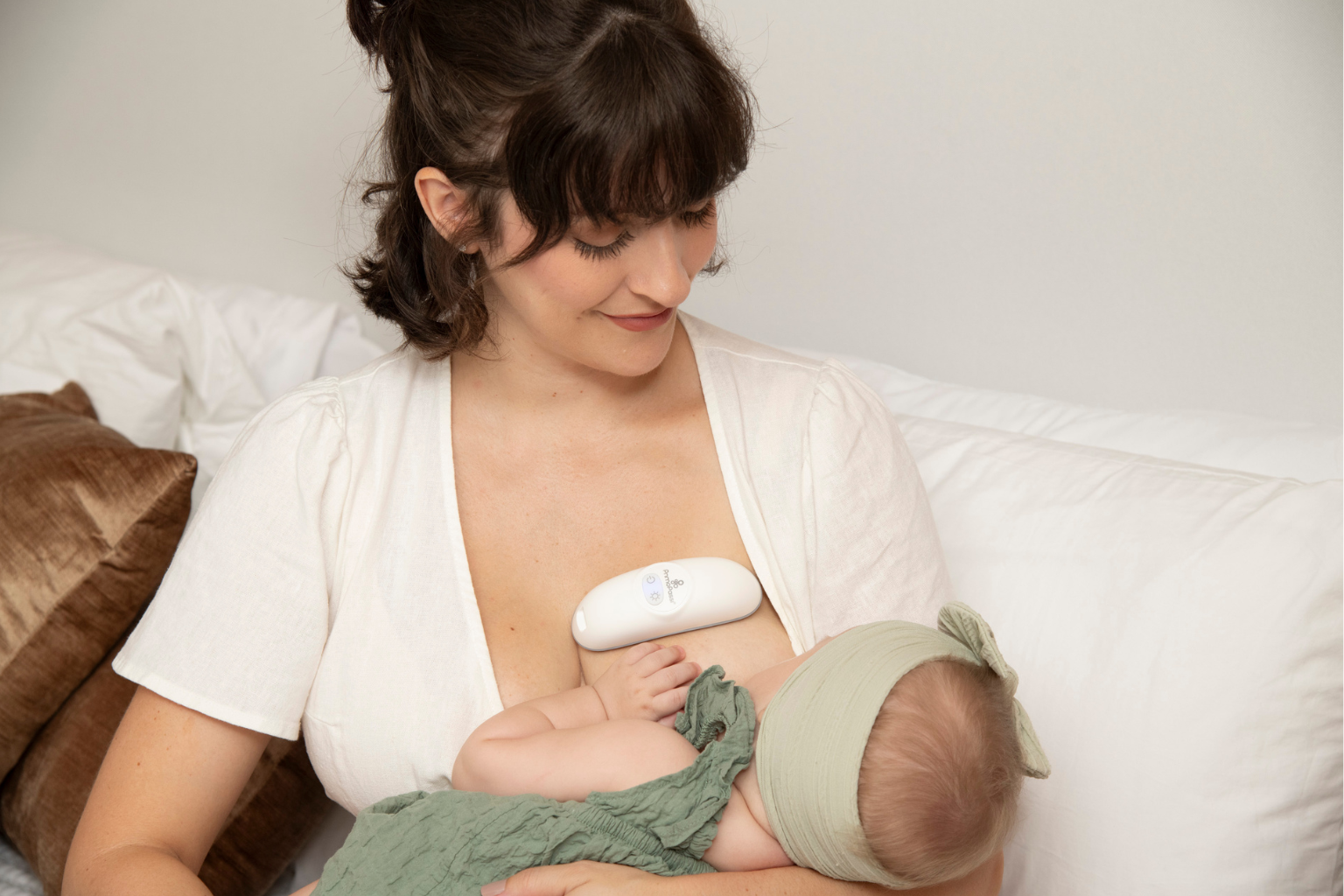
When breasts are very full, the nipple can flatten and make it hard for a baby to latch deeply. Expressing a small amount of milk by hand, or using a tool like the Primo Passi Lactation Massager, can soften the area around the areola before a feed. This silicone massager combines gentle vibration with warming heat settings to help loosen tight breast tissue and encourage milk flow, making it easier for your baby to latch and for you to fully drain the breast during a feed or pumping session.
Use a Reliable Pump for Extra Relief
If your baby cannot fully drain an engorged breast, a short pumping session can help. Pumping "to comfort," rather than to fully empty the breast, is usually recommended during severe engorgement, since fully emptying the breast can sometimes signal your body to produce even more milk. The Primo Passi Double Electric Hands-Free Breast Pump allows you to pump both sides at once, which can shorten the time spent relieving pressure and get you back to a comfortable feeling faster.
Wear Soft, Absorbent Nursing Pads

Engorgement often comes with leaking, especially in the early days when your milk supply is still regulating. Primo Passi Disposable Nursing Pads are thin and highly absorbent, helping keep you dry and comfortable between feeds without adding extra pressure or friction to already tender breasts.
Store Any Extra Milk You Express

If you pump for comfort during engorgement, it is worth saving that milk rather than letting it go to waste. Primo Passi Breast Milk Storage Bags, sold in a 100 count pack, are designed with a secure double zipper seal and space to write the date and amount, which makes it simple to build a small freezer stash from those extra comfort-pumping sessions.
Take an Over-the-Counter Pain Reliever if Needed
Ibuprofen or acetaminophen, taken as directed and approved by your doctor, can reduce swelling and pain from engorgement and are generally considered compatible with breastfeeding. Always confirm dosing with your healthcare provider, especially in the first days postpartum.
Breast Engorgement vs Mastitis: How to Tell the Difference
Engorgement and mastitis can feel similar, but they are not the same condition, and treatment differs. According to the World Health Organization (WHO) and the Sociedade Brasileira de Pediatria, key differences include:
- Engorgement usually affects both breasts fairly evenly, causes generalized fullness and firmness, and does not typically cause fever above 101°F (38.3°C).
- Mastitis usually affects one breast, causes a localized red, hot, wedge-shaped area, and often comes with fever, chills, body aches, and a feeling of flu-like illness.
If engorgement is not relieved, it can sometimes progress toward a blocked duct and, in some cases, mastitis, which is one reason prompt and frequent milk removal matters so much in the first weeks of breastfeeding.
When Should You Call a Doctor About Breast Engorgement?
Reach out to your doctor, midwife, or a lactation consultant if you notice:
- Fever of 101°F (38.3°C) or higher
- A red, warm, or streaky area on one breast that does not improve with feeding or pumping
- Flu-like symptoms such as chills, body aches, or fatigue
- Severe pain that does not ease within 48 to 72 hours of regular milk removal
- A lump that stays firm and painful after several feeding sessions
- Difficulty getting your baby to latch due to nipple flattening that does not improve with hand expression
These can be signs of a blocked duct or mastitis, both of which may need additional treatment beyond home care.
How Can You Prevent Breast Engorgement?
While some degree of fullness is a normal part of milk coming in, a few habits can lower the risk of painful engorgement:
- Nurse or pump frequently and on demand, especially in the first two weeks postpartum
- Avoid skipping feeds or pumping sessions without a plan to relieve fullness another way
- Wean gradually over days or weeks rather than stopping suddenly
- Work with a lactation consultant early if your baby has a shallow latch, since poor milk transfer is a common hidden cause of recurring engorgement
- Keep a lactation massager and a reliable pump on hand for the early weeks, when supply and demand are still finding their rhythm
Frequently Asked Questions About Breast Engorgement
Is breast engorgement normal?
Yes. Mild engorgement is a normal part of your milk coming in, usually between 2 and 5 days after birth. It becomes a concern only when it is severe, painful, or paired with fever or redness in one area.
How do you get rid of breast engorgement fast?
The fastest relief comes from removing milk regularly through nursing or pumping, applying warmth before a feed to encourage flow, and using cold compresses after to reduce swelling. Hand expression or a lactation massager can also help soften the breast before latching.
Can breast engorgement happen without breastfeeding?
Yes. Engorgement can occur in mothers who choose not to breastfeed, since the body still begins milk production after birth. It typically resolves on its own within a few days as the body reabsorbs the milk, though supportive measures like cold compresses and a well-fitted, supportive bra can help with comfort.
Should I pump if I am engorged?
Pumping for comfort, rather than to fully empty the breast, is generally recommended during engorgement. Fully draining the breast repeatedly can sometimes encourage your body to increase milk production further, which is not ideal if you are trying to reduce fullness.
Can engorgement affect milk supply long term?
Untreated, severe, or repeated engorgement can sometimes lead to a blocked duct or reduced milk transfer if it makes latching difficult over time. Prompt, regular milk removal during engorgement episodes helps protect your longer-term supply.
What is the difference between engorgement and a clogged duct?
Engorgement usually involves general fullness across the whole breast, often on both sides. A clogged duct causes a distinct, localized lump or tender spot in one area of one breast, and it does not typically come with the widespread swelling seen in engorgement.
Written by Erika Morgado for Primo Passi.