
What Sleep Training Actually Means
Sleep training is simply the process of teaching a baby to fall asleep on their own, without being nursed, rocked, held, or fed to sleep every time. It does not mean ignoring a baby's needs. It means helping them build the skill of settling themselves once those needs (a full belly, a clean diaper, a comfortable room) are already met.
Every baby wakes up briefly between sleep cycles, several times a night, adults do too. The difference is that a baby who has learned to fall asleep independently can usually drift back off without calling for help. A baby who has only ever fallen asleep in someone's arms often needs that same exact condition recreated at 2 a.m. to get back to sleep.
That is the real goal behind every method on this list: closing the gap between how your baby falls asleep at bedtime and how they resettle overnight.
When Is a Baby Ready for Sleep Training?
Most methods are designed for babies around 4 to 6 months and older. Before that age, frequent night waking is normal and often necessary, since younger babies still need overnight feeds and have limited capacity to self-soothe. A few signs that a baby may be ready include:
- Consistently gaining weight and no longer needing frequent overnight feeds (always confirm this with your pediatrician first)
- Showing early signs of settling themselves, like sucking on their hands or turning their head away from stimulation
- Having a fairly predictable daytime feeding and nap rhythm
- Being physically able to roll both ways, which matters for safe sleep positioning
If your baby is younger than 4 months, or has any medical or feeding concerns, talk to your pediatrician before starting any structured sleep training approach.
The Main Sleep Training Methods, Compared
Here is an honest look at the most common approaches, ordered from gentlest to most structured.
1. The No Tears Method
This approach focuses on minimizing crying entirely. You respond quickly every time your baby fusses, gradually reducing the level of help you give over time. For example, instead of nursing your baby fully to sleep, you might start rocking them partway drowsy, then eventually just patting their back in the crib.
Best for: parents who want the gentlest possible transition and don't mind a slower timeline, sometimes several weeks.
2. The Chair Method (Fading)
You sit in a chair next to the crib while your baby learns to fall asleep, without picking them up. Every few nights, you move the chair a little farther from the crib until you're eventually out of the room entirely.
Best for: babies who do better with a parent physically present, and families who want a gradual, low-crying approach without full extinction.
3. Pick Up, Put Down
When your baby cries, you pick them up, soothe them briefly, then put them back down drowsy but still awake. You repeat this as many times as needed until they fall asleep on their own. This method tends to work best for younger babies who are just starting to learn independent sleep.
Best for: babies who are easily comforted by brief contact and don't get more upset from being picked up and put back down repeatedly.
4. The Ferber Method (Graduated Extinction)
Named after Dr. Richard Ferber, this method involves putting your baby down drowsy but awake, leaving the room, and returning at gradually increasing intervals to briefly reassure them, typically starting around 3 minutes and extending from there. You don't pick your baby up or feed them during check-ins, just a short pat or a few calm words.
Randomized studies on graduated extinction generally show it improves infant sleep and reduces parental stress, with the strongest evidence in babies 6 months and older. A widely cited five-year follow-up study found no long-term differences in child behavior or the parent-child bond between children who were sleep trained this way and those who weren't.
Best for: families who want a structured, evidence-backed process and are comfortable with some crying in exchange for a faster timeline, often 3 to 7 nights.
5. Full Extinction (Cry It Out)
This is the most direct method: you put your baby down after your normal bedtime routine and don't return until morning (or until a true need, like illness, arises). No check-ins.
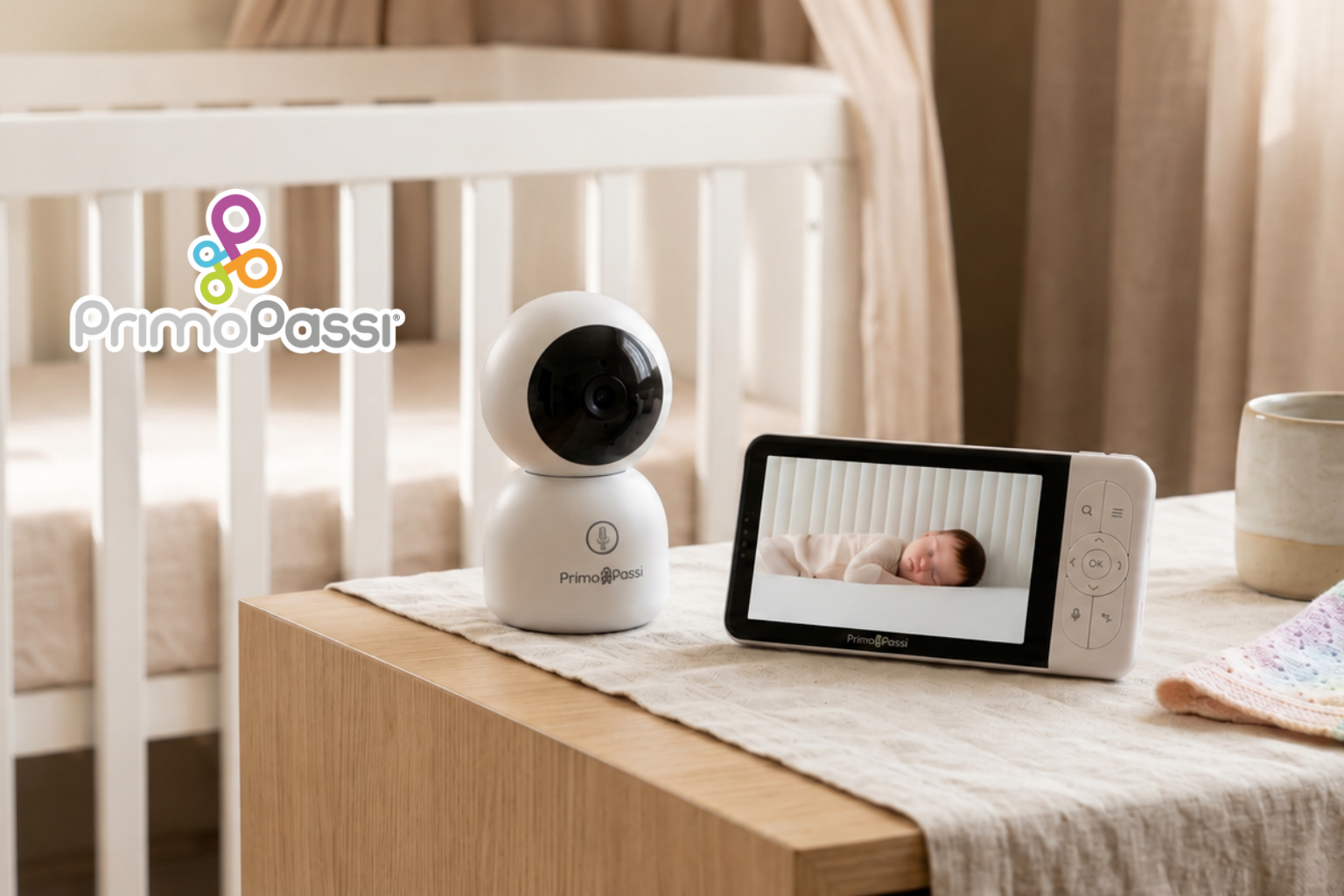
Because there is no way to see or hear what's happening in real time, many sleep consultants recommend pairing this method with a reliable baby monitor so you can confirm your baby is safe and comfortable throughout the night without walking in and resetting the process.

A monitor with night vision lets you confirm your baby is safe without needing to enter the room, which matters most during extinction-based methods.
Best for: families who want the fastest results and are emotionally prepared for a difficult first few nights. This method is not right for every parent, and that's completely normal.
How to Choose the Right Method for Your Family
There is genuinely no single method that works best for every baby. What matters more than which method you pick is how consistently you follow it once you start. Switching approaches every night or two tends to confuse babies and can drag the process out far longer than any single method would take on its own.
A few honest questions to ask yourself before choosing:
- How much crying am I personally comfortable with? Be honest, not aspirational.
- Do I have one to two weeks where I can stay consistent, without travel or big schedule disruptions?
- Does my baby tend to escalate when picked up and put down repeatedly, or does that make things worse?
- Is my partner or co-caregiver on the same page about the approach and the plan?
Many families end up blending elements, for example, starting with the chair method for a week, then shifting to Ferber-style check-ins once their baby tolerates brief separation better.
Setting Up the Sleep Environment Before You Start
Whatever method you choose, the environment around your baby matters just as much as the method itself. A few things to check before your first night:
- The room is dark, cool, and free of screens or bright night lights that could interfere with melatonin production
- Background noise is consistent, since sudden household sounds (a door, a sibling, traffic) are one of the most common reasons babies wake fully instead of resettling on their own
- The bedtime routine is short and predictable, ideally the same 3 to 4 steps every night, in the same order
A consistent sound cue at bedtime can also help signal to your baby that it's time to sleep, separate from any parental contact. Many parents use a dedicated white noise machine for this exact reason, so the sound becomes part of the sleep cue itself rather than something tied to being held or rocked.

A soft, consistent sound cue at bedtime helps separate the act of falling asleep from being rocked or nursed, which is the core skill most sleep training methods are trying to build.
Safe Sleep Guidelines You Should Never Skip
Regardless of which sleep training method you choose, safe sleep basics always come first. According to the American Academy of Pediatrics, that means:
- Always place your baby on their back to sleep, for every sleep, until their first birthday
- Use a firm, flat sleep surface with a fitted sheet only, no pillows, loose blankets, bumpers, or soft toys in the crib
- Room-share (baby's crib in your room, not your bed) for at least the first 6 months, ideally up to 12
- Keep the room at a comfortable temperature and avoid overdressing your baby for sleep
You can find the full, current guidance on HealthyChildren.org, the AAP's parent-facing site. None of the sleep training methods above require changing these fundamentals. They work within them.
What to Expect During the First Week
The first two to three nights are almost always the hardest, regardless of the method. This is completely normal and doesn't mean the method isn't working. Most families see noticeable improvement by night four or five, with many babies falling asleep independently within a week.
A few things that can help you get through the adjustment period:
- Start on a night when you don't have anywhere to be early the next morning
- Keep a simple log of wake times and how long your baby cried, so you can actually see progress instead of relying on memory alone
- Expect some regression around travel, illness, or teething. This is normal and doesn't mean you have to start over from scratch, just be consistent again once things settle
When to Talk to Your Pediatrician
Sleep training is not the right first step if night waking is being driven by something else. Reach out to your pediatrician before starting, or pause and check in, if your baby:
- Is under 4 months old
- Has any diagnosed reflux, feeding difficulty, or growth concern
- Wakes up seeming to be in pain rather than simply fussy
- Shows signs of illness, fever, or unusual breathing during sleep
A quick check-in can rule out a medical cause and give you the confidence to move forward with whichever method fits your family.
Frequently Asked Questions
What age should I start sleep training my baby?
Most pediatric sleep experts suggest starting between 4 and 6 months, once your baby can go longer stretches without feeding overnight and shows some ability to self-soothe. Always check with your pediatrician first, especially if your baby was born early or has any medical concerns.
Is it okay to let my baby cry during sleep training?
Some crying is common with most structured methods, including the Ferber method and full extinction. Research on graduated extinction generally shows no long-term negative effects on attachment or development when a baby's needs are consistently met during waking hours. If you're not comfortable with crying, gentler methods like the chair method or pick up/put down are valid alternatives.
How long does sleep training usually take?
It varies by method and by baby. Extinction-based methods often show results within 3 to 7 nights. Gentler, gradual methods can take two to three weeks or longer. Consistency matters more than speed.
Can I sleep train a breastfed baby the same way?
Yes. Sleep training addresses how a baby falls asleep, not whether or how you feed during the day. Many breastfeeding parents sleep train successfully by keeping daytime and bedtime feeds as usual and simply changing what happens after the last feed of the night.
What if my baby wakes up again after I thought sleep training worked?
Occasional regressions are normal, especially around developmental leaps, teething, illness, or travel. It doesn't mean you need to start over completely. Return to your established routine and method as soon as things settle, and most babies bounce back within a few nights.
Do I need a baby monitor for sleep training?
A monitor isn't required, but it makes extinction-based methods much easier to follow through on, since you can confirm your baby is safe and simply upset rather than in genuine distress, without opening the door and restarting the settling process.