
Timing matters more than people expect when it comes to breast pumps. There are really two separate questions hiding inside "when should you buy a breast pump": when to purchase one, and when to actually start using it. Getting these two timelines mixed up is one of the most common sources of confusion for new and expecting moms, and it is worth untangling them early so you are not second-guessing yourself later.
This guide walks through both timelines clearly, along with the exceptions that change the picture, so you can make a decision that fits your specific situation rather than following a one-size-fits-all rule.
When to Buy a Breast Pump
Buying a breast pump during your third trimester, generally somewhere between weeks 28 and 36, gives you enough time to research your options, place an order, and get comfortable with the parts before your due date arrives. Waiting until after birth to shop for a pump often means scrambling to research and order one during an already overwhelming stretch of postpartum recovery and newborn care.
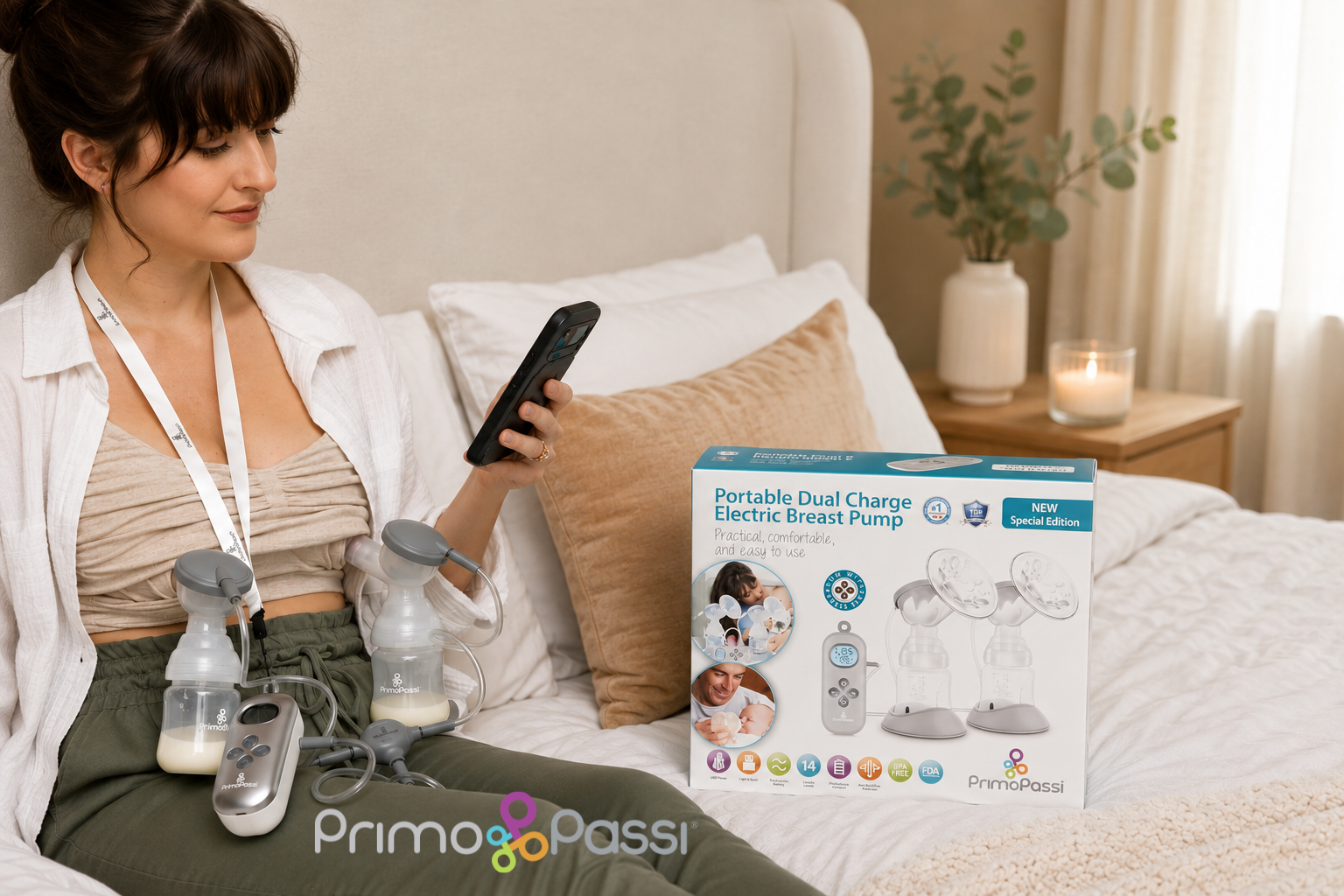
Buying early does not mean using it early. It simply means the pump, like the Primo Passi Portable Dual Electric Breast Pump, is charged, assembled, and ready to go whenever you actually need it, whether that is in the first week or a few weeks down the road.

Why the "Buy Early, Use Later" Approach Works Best
Separating the purchase timeline from the usage timeline removes a lot of unnecessary pressure. Many new parents feel like once they own a pump, they should be using it right away, but that is not how most lactation guidance actually works. Think of the pump as a piece of equipment you are simply making sure is ready and familiar, the same way you might set up a car seat or pack a hospital bag well before you actually need either one.
This approach also gives you room to troubleshoot small issues, like finding the right flange size or understanding how the stimulation and expression modes work, without the added pressure of needing the pump to perform perfectly on day one. A calm, low-stakes trial run during pregnancy, even just assembling and running the pump for a minute or two, can make the actual first session feel far less unfamiliar.
How Your Milk Supply Naturally Develops in the First Weeks
Understanding the biology behind the recommended timing helps explain why "wait a few weeks" is not an arbitrary rule. In the first days after birth, your body produces colostrum, a concentrated, antibody-rich milk in small quantities. Around days three to five, milk typically transitions to a larger volume of mature milk. For roughly the first two to three weeks, supply is driven mainly by hormonal changes from pregnancy and birth rather than by how much milk is actually removed.
After this initial window, your body shifts into a supply and demand system, where the amount of milk removed, whether through nursing or pumping, directly signals how much milk your body continues to produce. This is the biological reason many lactation consultants recommend waiting until breastfeeding is established before adding a pump into the mix, since introducing an additional demand signal too early, while the system is still hormonally driven, can occasionally throw off that natural calibration.
When to Start Actually Pumping After Birth
If breastfeeding is going well, your baby is latching comfortably and gaining weight, most lactation consultants recommend waiting until around 3 to 4 weeks postpartum before introducing a pump into the routine. This gives your body time to establish a full milk supply through direct nursing and gives you and your baby time to build a solid breastfeeding relationship before adding a pump and bottles into the mix.
Introducing a pump too early, when supply is still hormonally driven rather than fully regulated by demand, can sometimes create oversupply or engorgement issues. Waiting a few weeks allows your body's natural supply and demand system to take over first.
Exceptions: When to Start Pumping Right Away
Timing guidelines exist for typical, healthy breastfeeding situations, but plenty of circumstances call for starting sooner.
- Premature or hospitalized babies: If your baby cannot nurse directly right away, pumping from the first days after birth helps establish and protect your milk supply.
- Latch difficulties: If nursing is painful or ineffective, a lactation consultant may recommend pumping to maintain supply while latch issues are worked through.
- Low milk supply concerns: Some situations call for early pumping to help stimulate production, guided by a healthcare provider or lactation consultant.
- Engorgement relief: Occasional pumping to relieve uncomfortable fullness is fine even in the early days, without needing to establish a full pumping routine.
- Planned early separation: If you know you will be apart from your baby soon after birth for medical or personal reasons, starting to pump earlier helps maintain supply during that time.
When to Start Pumping If You Are Returning to Work
If you know your return-to-work date, working backward from it helps determine your pumping timeline. Most moms start building a small freezer stash about 2 to 3 weeks before returning to work, pumping once a day in addition to regular nursing sessions. This gradual introduction gives your body time to adjust to the added demand without overwhelming your supply or your schedule.

Having pre-sterilized storage bags on hand during this stretch makes the process of building and organizing a freezer stash considerably less stressful, since each bag is ready to fill and label without any extra prep.
Signs You Are Ready to Introduce a Pump
Rather than following a strict calendar date, watch for these signs that your breastfeeding routine is ready for a pump to enter the picture.
- Your baby is latching comfortably without significant pain
- Your baby is gaining weight appropriately according to your pediatrician
- Your milk supply feels consistent rather than unpredictable
- You have a specific reason to pump, such as an upcoming return to work, a desire to share feedings, or simply wanting some flexibility
If any of these feel uncertain, a conversation with your pediatrician or a lactation consultant can help you figure out the right timing for your specific situation, since every breastfeeding journey looks a little different. There is no single correct week that applies to everyone, and that is genuinely fine.
Choosing the Right Pump Style for Your Timeline
The type of pump that makes sense often shifts depending on where you are in this timeline. During pregnancy, many moms choose a versatile double electric pump since it works well for everything from occasional relief pumping to a full daily routine later on. Closer to a return-to-work date, portability and ease of assembly become more important, which is where a wearable, hands-free option often earns its place alongside a traditional pump rather than replacing it entirely. Having both available means you can reach for whichever setup fits a given day, whether that is a quiet session at home or a quick break between meetings.
What to Have Ready Before Your First Session
Once you decide it is time to start, a little preparation makes that first session smoother.
- A fully charged and assembled pump, checked ahead of time so there are no surprises
- Correctly sized flanges, since guessing on fit often leads to unnecessary discomfort
- Clean storage bottles or bags ready for the milk you express
- A private, comfortable space where you will not feel rushed
If you are using a wearable hands-free pump for the first time, doing a quick trial run at home before you need it for a work break or outing helps you get comfortable with insertion and settings without any added pressure. It is also worth having nursing pads on hand from the very first session, since leaking between feeds and pumps is common in these early weeks regardless of which pump style you choose.


Common Timing Mistakes to Avoid
- Waiting until the last minute to buy a pump. Ordering and researching under newborn-stage exhaustion is far harder than doing it during pregnancy.
- Introducing a pump too early without a specific need. This can sometimes disrupt the natural supply and demand balance your body is still establishing.
- Waiting too long once returning to work is close. Starting a freezer stash the week before your return date leaves very little room for adjustment.
- Assuming one flange size fits all situations. Breast and nipple size can shift in the weeks after birth, so it is worth rechecking fit once you actually start pumping.
Frequently Asked Questions
Should I buy a breast pump before or after my baby is born?
Buying during your third trimester is generally recommended, so the pump is ready and familiar to you before you actually need it, even if you do not plan to use it right away.
Is it okay to start pumping in the first week after birth?
Occasional pumping for engorgement relief is fine, but introducing a full pumping routine in the first week is usually only recommended for specific situations, such as a baby who cannot nurse directly or documented low supply concerns.
How soon before returning to work should I start pumping?
Most moms begin building a freezer stash about 2 to 3 weeks before their return date, pumping once daily in addition to regular nursing.
Can pumping too early affect my milk supply?
Introducing a pump before breastfeeding is well established can sometimes lead to oversupply or an imbalanced supply and demand pattern, which is part of why many experts suggest waiting 3 to 4 weeks unless there is a specific reason to start sooner.
What if my baby cannot breastfeed directly right away?
In that case, pumping from the first days after birth is often recommended to help establish and protect your milk supply, ideally with guidance from a lactation consultant.
Do I need a different pump for occasional use versus daily pumping?
Not necessarily. A double electric or wearable pump can handle both occasional and daily use, though moms who pump every day often prioritize comfort features and part durability more heavily than those pumping only occasionally.