
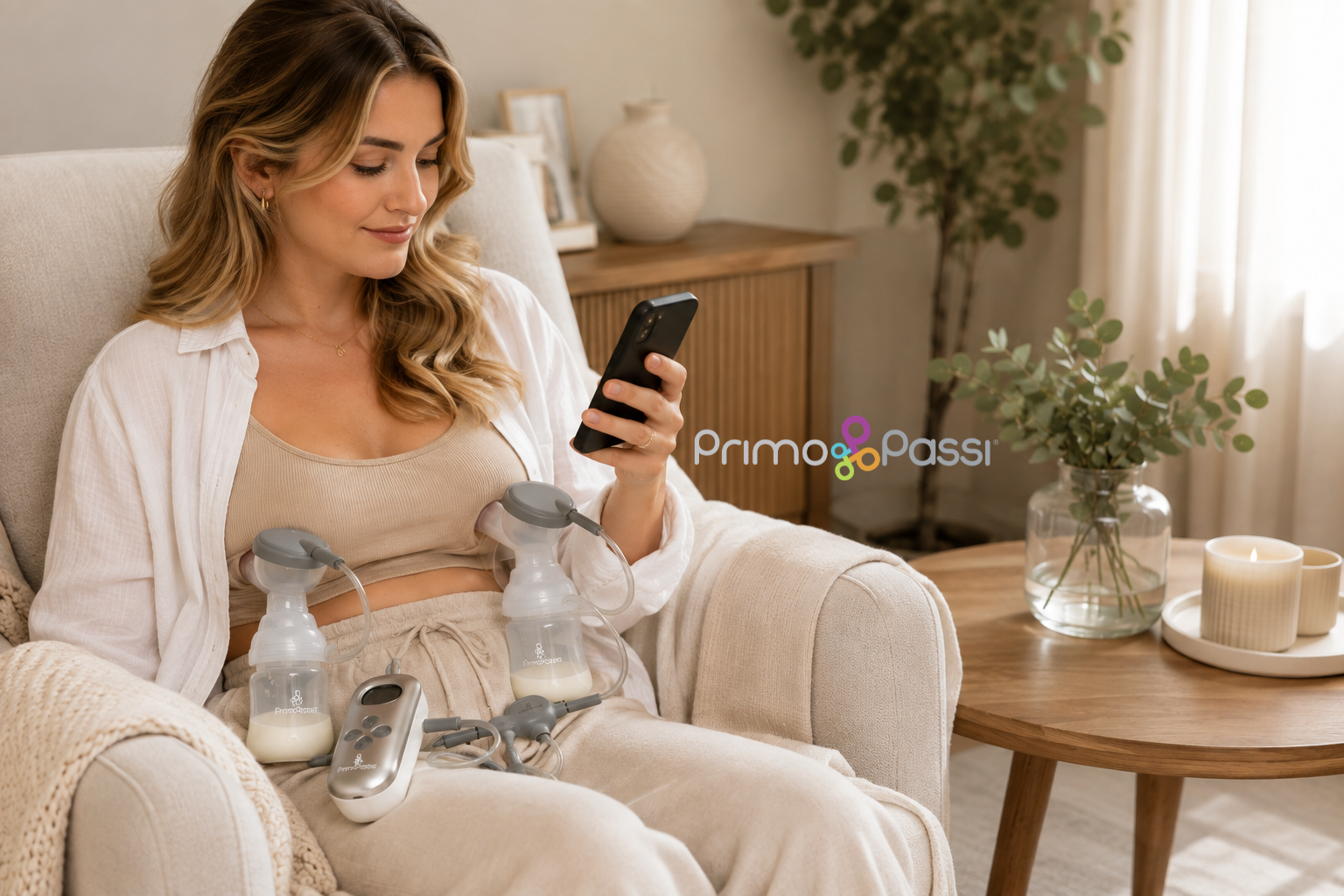
If you are asking how long does it take to pump breast milk, the honest answer is that it depends on a handful of factors, but most moms land somewhere between 15 and 20 minutes per session once things settle into a routine. Early on, especially in the first few weeks, sessions often take longer simply because your body and your pump are both still figuring things out together.
This guide breaks down what a realistic pumping timeline actually looks like, what affects it, and how to make sessions more efficient without sacrificing comfort or milk output. Whether you are just starting out or trying to fit pumping into a packed workday, knowing what is genuinely normal can take a lot of the guesswork, and the pressure, out of the process.
Average Pumping Session Length
For most moms with an established milk supply, a full pumping session runs about 15 to 20 minutes using a double electric pump. That includes a short stimulation phase to trigger letdown, followed by active expression until milk flow slows to occasional drops. Some moms pump for a couple of extra minutes after flow slows down, since this can help support supply over time, but going much beyond 20 to 25 minutes rarely adds meaningful extra milk.
In the newborn stage, particularly in the first two to three weeks postpartum, sessions can reasonably take 20 to 30 minutes as your body works to establish a full supply. This is completely normal and tends to shorten naturally as milk production regulates.

How Long Does It Take for Milk to Let Down?
Letdown, the moment milk actually begins flowing, usually happens within one to three minutes of steady stimulation. This is why most pumps, including the Primo Passi Portable Dual Electric Breast Pump, start in a gentle stimulation mode rather than jumping straight to strong suction. If letdown consistently takes much longer than three minutes, it is often related to stress, an uncomfortable environment, or a flange that does not fit well, rather than anything wrong with your supply.
What Affects How Long a Pumping Session Takes
Several variables influence session length, and most of them are within your control.
- Single vs double pumping: Pumping both breasts simultaneously roughly cuts total session time in half compared to pumping one side, then the other.
- Flange fit: A poorly fitting flange reduces efficiency, which often means longer sessions to get the same amount of milk.
- Time postpartum: Sessions naturally shorten as your supply regulates over the first several weeks.
- Time of day: Morning sessions, when supply is typically higher, often take less time than evening ones.
- Stress and environment: A relaxed, private setting supports faster letdown, while a rushed or stressful one can slow it down.
- Pump quality and suction consistency: Worn valves, membranes, or tubing reduce suction efficiency, which can quietly stretch out session length over time.
Single vs Double Pumping: A Real Time Comparison
If a single pump takes about 15 minutes per side, pumping sequentially means roughly 30 minutes total. A double electric pump expresses both breasts at the same time, so that same output often takes closer to 15 to 20 minutes total instead of 30. This is one of the main reasons double pumps have become the standard choice for moms who pump regularly, whether that is a few times a day or as part of exclusively pumping.

Wearable pumps, like the Primo Passi Double Electric Hands-Free Breast Pump, take about the same amount of active pumping time as a traditional double electric pump, since the suction mechanics work the same way. The real time savings come from being able to work, care for other kids, or move around while the pump runs, rather than being tied to a chair for the full session.
How Pumping Time Changes Over the First Few Months
Most moms notice a gradual shift in how long sessions take as breastfeeding and pumping become more established.
Weeks 1 to 3: Building Supply
Sessions often run 20 to 30 minutes as your body ramps up milk production. Frequent, shorter sessions throughout the day are common during this stage.
Weeks 4 to 12: Settling Into a Rhythm
As supply regulates, most sessions shorten to around 15 to 20 minutes, and letdown tends to happen more quickly and predictably.
Months 3 and Beyond: Efficient Routine
Many moms find their body responds faster to pumping once a consistent schedule is in place, sometimes letting down almost immediately when the pump starts.
Do Different Pump Types Take Different Amounts of Time?
The type of pump you use has less impact on session length than most people expect, since the physiology behind letdown and milk removal stays the same no matter the device. That said, a few practical differences are worth knowing.
Manual Pumps
Manual pumps generally take longer overall, not because the suction itself is slower, but because the mother is doing all the physical work of creating that suction by hand. Fatigue can set in before a full session is complete, which is why manual pumps are more often used for occasional or backup pumping rather than several sessions a day.
Electric Double Pumps
Electric double pumps, like the Primo Passi Portable Dual Electric Breast Pump, tend to offer the most consistent and predictable session times since the motor maintains steady suction and cycle speed without any physical effort from the user.
Wearable Pumps
Wearable pumps take roughly the same active pumping time as a traditional electric double pump. The time saved comes from multitasking during the session rather than from the pump itself working any faster.
Signs a Session Is Complete
Rather than watching the clock, pay attention to milk flow. A session is typically finished when the steady spray of milk slows to occasional drops, even after switching between stimulation and expression modes a couple of times. Continuing well past this point rarely yields significantly more milk and can lead to unnecessary nipple soreness.
How to Make Pumping Sessions More Efficient
A few adjustments can shave real time off your sessions without cutting corners on output.
- Check your flange size. This is the single biggest factor in pumping efficiency. Discomfort or a session that feels like it is dragging is often a fit issue.
- Warm up before pumping. A warm compress or a few minutes with a lactation massager can help milk start moving before the pump even turns on.
- Double pump whenever possible. Pumping both breasts at once is the most reliable way to cut total time.
- Keep pump parts in good condition. Worn valves and membranes or a damaged tubing system reduce suction, which stretches out how long a session takes to reach the same output.
- Stay consistent with timing. Pumping around the same times each day helps your body anticipate sessions, often leading to faster letdown.

How Often You Pump Affects How Long Each Session Feels
Session length and pumping frequency are closely connected. Moms who pump every 2 to 3 hours, closely mirroring a newborn's feeding pattern, tend to have shorter, more predictable sessions because their breasts never become overly full between pumps. Going too long between sessions, on the other hand, can lead to a fuller, sometimes uncomfortable letdown that takes longer to fully resolve, since the body has more milk to move through the ducts at once.
This is part of why lactation consultants often recommend pumping on a fairly consistent schedule, especially in the early months, rather than waiting until you feel overly full. A predictable rhythm tends to keep each individual session shorter and more manageable.
Pumping at Work: Realistic Time Expectations
For moms returning to work, session length becomes a practical planning question as much as a physical one. Most workplace pumping breaks account for 20 to 30 minutes total, which includes setup, the 15 to 20 minute session itself, and a few minutes for cleanup and storing milk. Choosing a pump that assembles quickly, like a double electric model with straightforward parts, or a wearable pump that requires no setup beyond inserting the flanges, can make a meaningful difference when breaks are tightly scheduled.
When Longer Sessions Are Worth It
There are situations where extending a session slightly can genuinely help, such as trying to boost supply, relieving engorgement, or working through a growth spurt. In these cases, a few extra minutes of gentle stimulation after flow slows can encourage additional letdowns. Outside of these specific situations, though, longer is not automatically better, and comfort should always take priority over pushing through a session that feels done. Pay attention to how your body responds over a few sessions rather than judging any single one in isolation, since output can naturally vary from pump to pump throughout the day.
What to Do Once a Session Is Done
The minutes right after a session matter almost as much as the session itself. Milk needs to go into clean storage quickly, and pre-sterilized storage bags make this step fast, since milk can be poured straight in and labeled without any extra prep. It is also common to leak a little in the minutes after a session ends, especially during a strong letdown, so keeping nursing pads on hand rounds out a routine that feels efficient from start to finish, not just during the timed part of the session.

Frequently Asked Questions
Is it normal for pumping sessions to take longer some days than others?
Yes. Stress, hydration, time since your last feed, and even how relaxed you feel can all affect how quickly milk lets down and how long a session takes.
How long should I pump if I am exclusively pumping?
Most exclusively pumping moms aim for 15 to 20 minute sessions, roughly every 2 to 3 hours, to mimic a baby's natural feeding pattern and maintain supply.
Why does my pumping session take longer than it used to?
A longer session than usual often points to worn pump parts, a flange that no longer fits well, or a temporary dip in letdown speed related to stress or schedule changes.
Does pumping longer increase milk supply?
Extending a session slightly after flow slows can sometimes help with supply, but pumping far beyond 20 to 25 minutes generally does not produce meaningfully more milk.
Is double pumping really faster than single pumping?
Yes. Double pumping expresses both breasts at once, which typically cuts total session time roughly in half compared to pumping one side at a time.
How long does letdown take when pumping?
Letdown typically occurs within one to three minutes of steady stimulation. If it consistently takes much longer, checking flange fit and reducing stress during sessions can help.