
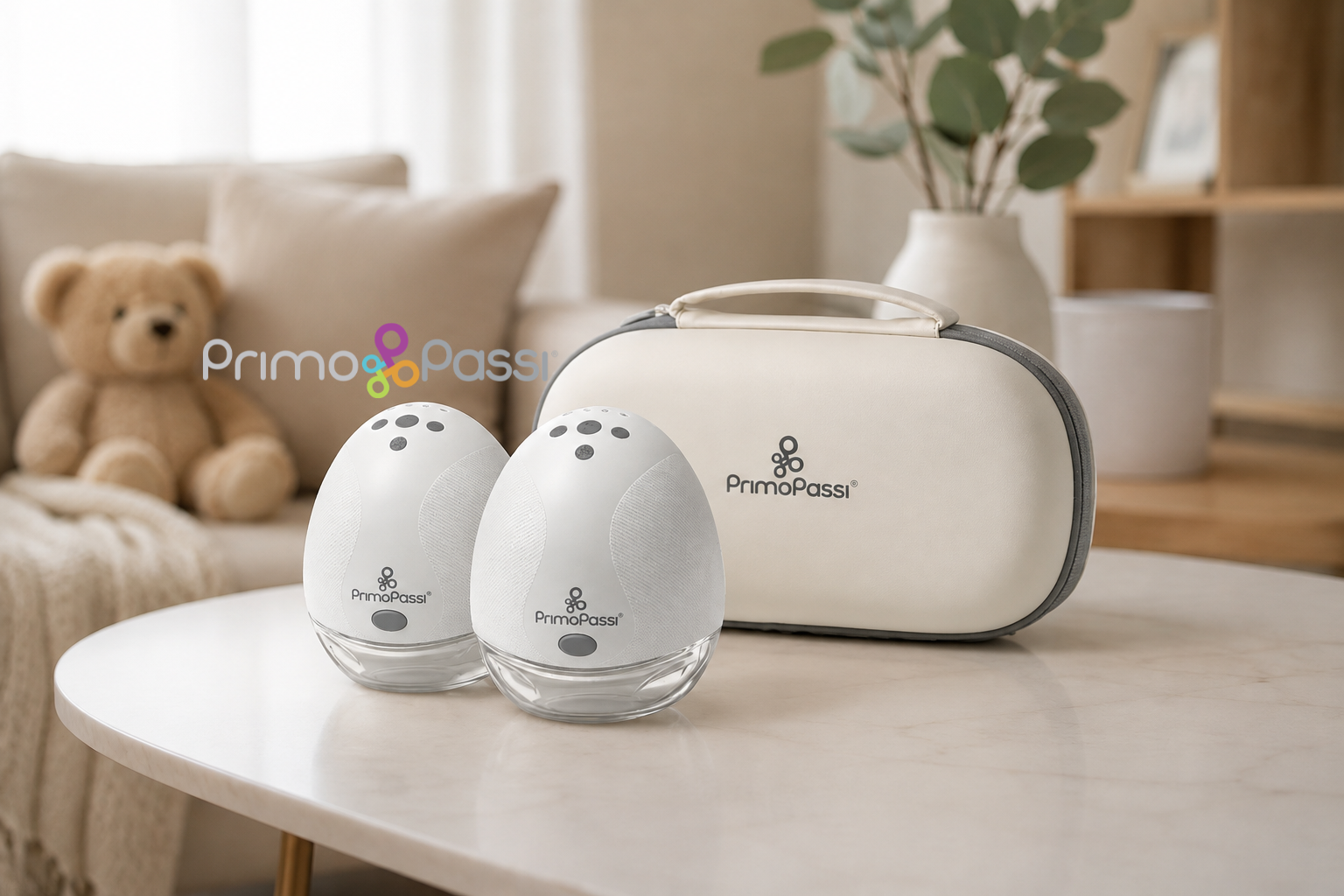
Learning how to use a breast pump can feel intimidating the first time you unbox one. Between flanges, valves, tubing, and suction settings, there is a real learning curve, and almost every mom figures it out through a mix of trial, error, and a few awkward first sessions. The good news is that the mechanics are simpler than they look, and once you understand the basic rhythm of pumping, it becomes second nature.
This guide walks through exactly how to use a breast pump, whether you have an electric double pump, a wearable hands-free pump, or a manual one, plus the small details that make sessions more comfortable and more productive.
What You Need Before You Start Pumping
Before your first session, make sure you have everything within reach. Trying to pump one-handed while hunting for a bottle across the room is a rookie mistake almost every mom makes once.
- A clean, fully assembled breast pump
- Milk storage bottles or bags
- A burp cloth or small towel
- Something to help with letdown, like a photo or video of your baby
- A comfortable place to sit, ideally somewhere private and relaxed
If you are using an electric model like the Primo Passi Portable Dual Electric Breast Pump, check that the battery is charged and the tubing is properly connected before you sit down. A pump that dies halfway through a session is frustrating, and it is one of the most common complaints from first-time pumpers.

How to Use an Electric Breast Pump, Step by Step
Most moms today reach for a double electric pump because it saves time and pumps both breasts at once. Here is how a typical session works from start to finish.
Step 1: Wash Your Hands and Check Your Parts
Wash your hands with soap and water before touching any part of the pump that will contact your milk. Quickly inspect the valves and membranes for cracks or milk residue. Worn parts reduce suction, which means longer sessions and less milk, so this quick check is worth the ten seconds it takes.
Step 2: Position the Flange Correctly
Center your nipple inside the breast shield, or flange, so it moves freely without rubbing against the sides. A flange that is too small pinches, and one that is too large pulls in areola tissue along with the nipple, both of which reduce milk output and can cause soreness. If pumping consistently feels uncomfortable no matter the suction level, flange size is usually the culprit.
Step 3: Start With Stimulation Mode
Most modern pumps, including the Primo Passi double electric pump, begin in a gentle stimulation mode that mimics the fast, light sucking a baby does at the start of a feed. This phase triggers your letdown reflex. Do not skip ahead to high suction right away. It will not speed things up, and it often just makes the first few minutes uncomfortable.
Step 4: Increase Suction Gradually
Once you feel your milk start to let down, usually within one to three minutes, gradually increase the suction level until you reach a strength that feels effective but never painful. Pumping should never hurt. If it does, lower the suction and check your flange fit.
Step 5: Pump Until Flow Slows Down
Most sessions run between 15 and 20 minutes. You will notice the spray of milk slow from a steady stream to intermittent drops, which is your cue that the session is winding down. Some moms pump for a couple of extra minutes after this point to help build supply, especially in the early weeks.
Step 6: Store Your Milk Right Away
Transfer your milk into a clean bottle or storage bag as soon as you finish. If you are not using it within a few hours, refrigerate or freeze it promptly. Pre-sterilized storage bags make this step faster since there is no extra washing or sterilizing required before pouring milk in.

How to Use a Wearable, Hands-Free Breast Pump
Wearable pumps work on the same suction principles as traditional electric pumps, but the entire unit sits inside your bra instead of connecting through external tubing. To use one:
- Insert the flange and collection cup into your nursing bra, making sure the nipple sits centered
- Turn the pump on and let it start in stimulation mode, just like a traditional pump
- Adjust the mode and suction level using the buttons or app, depending on the model
- Move around, work, or care for your other kids while it runs quietly and discreetly
- Transfer milk from the collection cup into a bottle once you are done
The Primo Passi Double Electric Hands-Free Breast Pump is designed for exactly this kind of multitasking, with a closed system that helps prevent backflow and spills while you go about your day.

How to Use a Manual Breast Pump
Manual pumps rely on your hand squeezing a handle or lever to create suction, so there is no motor to worry about. The setup steps are the same as with an electric pump: wash your hands, position the flange, and start slowly. Squeeze the handle with a steady, rhythmic motion rather than fast, hard pumps, since a gentle rhythm mimics natural feeding far better than aggressive squeezing. Manual pumps are a good backup option or a low-cost way to relieve occasional engorgement, though most moms who pump regularly find an electric or wearable pump more practical for daily use.
Tips to Get More Milk Out of Every Session
A few small habits can make a real difference in how much milk you express and how comfortable each session feels.
- Warm up first. A warm compress or a few minutes of gentle breast massage before pumping can help encourage letdown.
- Try a lactation massager. Using a massager with heat during or right before pumping can help loosen clogged ducts and support milk flow.
- Look at or think about your baby. This sounds simple, but the emotional connection genuinely helps trigger the hormones responsible for letdown.
- Stay consistent. Pumping around the same times each day helps your body anticipate sessions and regulate supply.
- Stay hydrated. Keep a water bottle nearby during every session.

Common Mistakes to Avoid When Using a Breast Pump
Even experienced moms fall into these habits without realizing it.
- Starting on high suction. This does not speed up letdown and often just causes soreness.
- Using the wrong flange size. Discomfort during pumping is almost always a fit issue, not a tolerance issue.
- Skipping cleaning between sessions. Milk residue left in valves and tubing affects suction and hygiene.
- Ignoring leaks. If your pump feels weaker than usual, check for cracked valves, loose connections, or worn tubing before assuming your supply has dropped.
- Not using nursing pads between sessions. Leaking between pumps is common, and disposable nursing pads help you stay dry and comfortable throughout the day.

How to Clean Your Breast Pump After Each Use
Every part that touches milk needs to be washed after each session. Disassemble the flanges, valves, membranes, and collection bottles, and rinse them in cold water first to prevent milk proteins from sticking. Then wash with hot, soapy water, or run dishwasher-safe parts through a cycle if your pump manual allows it. Once a day, many pediatric guidelines recommend sanitizing pump parts using a steam bag, boiling water, or a dishwasher's sanitize cycle, particularly for babies under three months, born prematurely, or with a weakened immune system. The CDC's breast pump cleaning guidelines outline this process in detail if you want a full reference.
Let all parts air dry completely on a clean towel or drying rack before reassembling or storing them. Avoid wiping them dry with a cloth, since this can reintroduce bacteria.
When to Replace Pump Parts
Valves, membranes, and tubing wear out with regular use, and worn parts are one of the most overlooked reasons pumping sessions start feeling less effective over time. Most manufacturers recommend replacing valves and membranes every two to three months with daily use, and tubing whenever you notice moisture inside it or a drop in suction. Keeping a spare set of replacement valves and membranes and a replacement tubing system on hand means you are never stuck mid-pumping-journey with a pump that has lost its power.

How Long Does It Take to Learn Good Pumping Habits?
Most moms feel noticeably more confident after their first week of regular pumping. The first few sessions are often the hardest simply because everything is new, from assembling parts to finding a flange size that fits well. Give yourself room to adjust the suction level, timing, and routine over those first several sessions rather than expecting everything to feel natural right away. According to HealthyChildren.org, building a comfortable pumping routine is a gradual process for nearly every parent, not a sign that something is wrong.
Frequently Asked Questions
How do I know if my breast pump flange fits correctly?
Your nipple should move freely inside the flange tunnel without rubbing against the sides, and you should not see areola tissue being pulled in along with the nipple. If pumping is painful no matter the suction setting, try a different flange size.
How long should I pump each session?
Most sessions last between 15 and 20 minutes, or until milk flow slows to occasional drops. Newborns and moms establishing their supply may pump slightly longer to help stimulate production.
Can I use a breast pump while pregnant?
Pumping during pregnancy is generally not recommended unless a healthcare provider advises it, since nipple stimulation can trigger contractions in some cases. Always check with your doctor first.
Why does my breast pump feel weaker than it used to?
Weak suction is usually caused by worn valves, membranes, or tubing, or by a crack somewhere in the assembly. Replacing these parts every two to three months with regular use keeps suction consistent.
Is it normal to get different amounts of milk from each breast?
Yes. Most moms produce more from one breast than the other, and this is completely normal. It does not usually indicate a supply problem.
Do I need to sterilize my pump parts after every single use?
Washing after every use is essential, but full sterilizing is typically recommended once a day rather than after each session, unless your baby is a newborn, was born prematurely, or has a compromised immune system.